
JUDY NEWMAN • LIFE OF A READER • OCTOBER 2026
Listen Up!
by Judy Newman
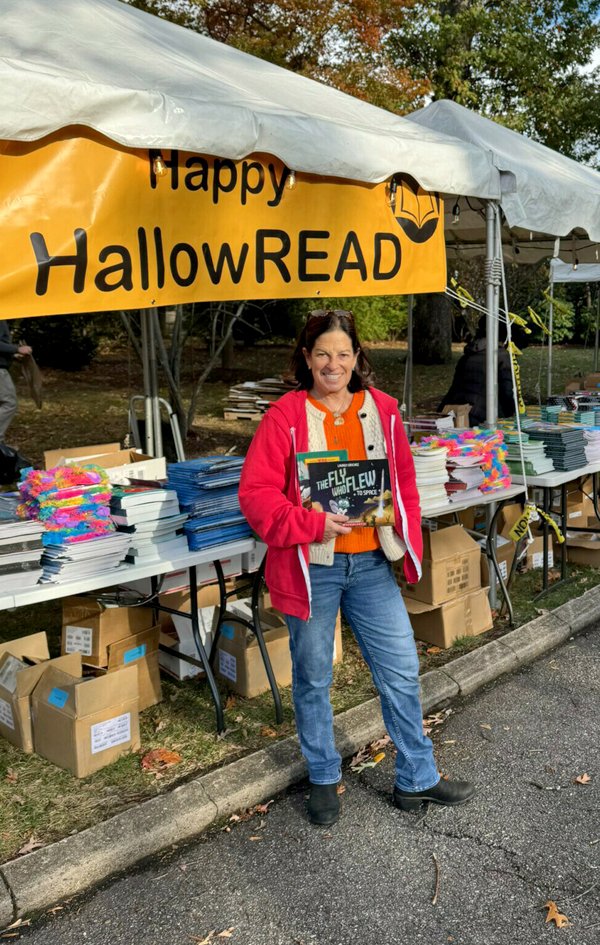
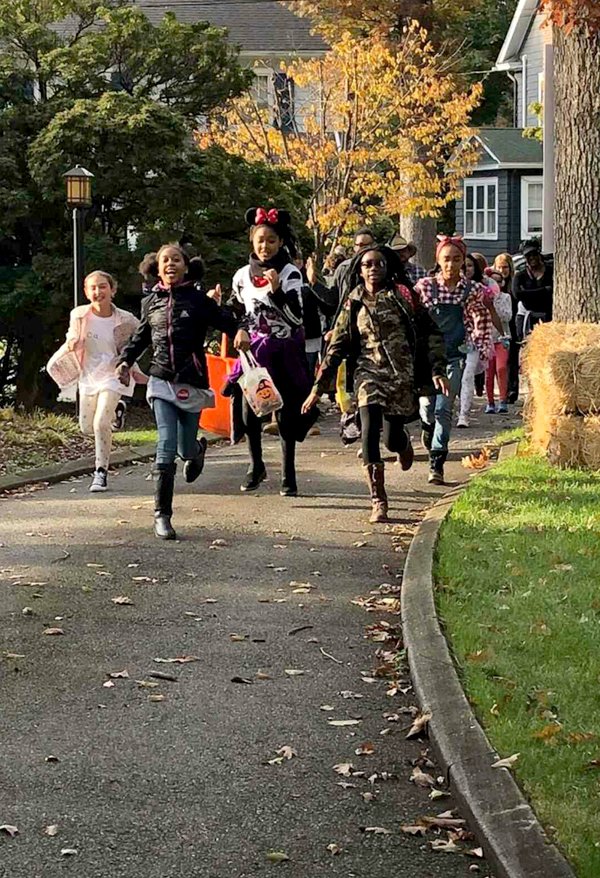
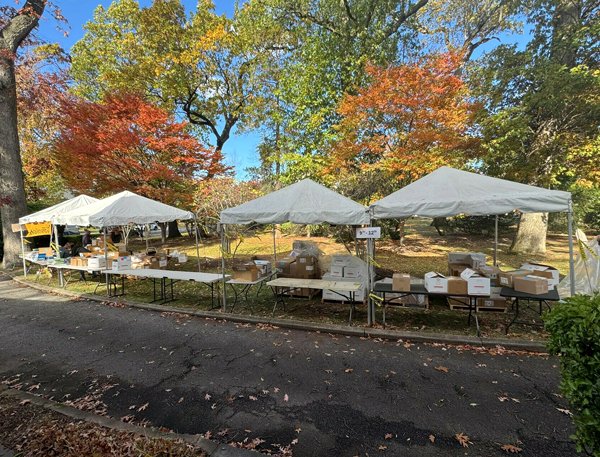
This time of year, I usually talk a lot about our 30+ year HallowREAD tradition of giving away thousands of books instead of candy to thousands of kids and their families who come “trick or reading” at our house in Montclair, NJ. I usually start with a few photos of set-up day, then talk about how amazing it is that kids line up for hours waiting to choose books they want to read. The police close off our block to traffic, and the entire neighborhood is ready for hordes of kids coming to their homes after they leave the “Book House.”
But this year, Cynthia Stuckey did such a lovely piece for Woman’s World magazine that she has my annual HallowREAD story already well-covered.
I was searching for something else to write about this month—rubber duckies, the WNBA, which books I am looking forward to reading over the holiday break—and while I was thinking, I started organizing some of the many, many kids’ books on our shelves.
As you can imagine, after all these years working in children’s book publishing, I have thousands of books. Some are classics that every child should read; some are forgettable. Some are timeless; some are dated. I hate throwing out books, so I keep them all and was trying—for the umpteenth time—to figure out the best way to organize them.
Alphabetical order doesn’t mean anything to a book browser because you would have to know which book you were looking for—ditto for alphabetizing by author. Subcategories (pets, fairies, sports, hair, unicorns) or format (graphic novels, nonfiction, board books) may help, but even then you need some idea of what you’re looking for. If you are not a frequent reader, you really don’t know where to start to find a book you are going to want to read.
With all these beautiful hardcover books spread out on the floor in front of me, it hit me: How on earth do we expect kids to discover, read, re-read (or return!), and own their own home libraries? The odds are so stacked against one child connecting with a particular book they are going to love to read.
And the stakes are high when you choose—or purchase—a book. What if you don’t like it? Other modern-day media like movies, TV shows, and YouTube music all let you sample easily. And move on to the next title if you’re not interested in the one you’ve sampled.
We book publishers and literacy advocates must develop a meaningful sampling program for children’s books.
In most situations, adults purchase books for kids. And in most under-resourced communities, adults, even teachers, do not have the resources to choose books for kids to read to develop their fluency and identity as readers. So, the opportunities to disconnect kids from books are huge.
I left my full-time job running Scholastic Book Clubs in April 2026, and I am devoting this phase of my career to helping kids who currently have no access to choose and own their own books, the opportunity to do so.
It is daunting. We have to provide enough selection to appeal to most kids, make the books accessible and relatable, give kids an opportunity to express how they feel about a book they read, and keep things going with a sustainable program so book access is not a once-a-year event.
I know we actually have the answer at our new nonprofit, Impact Reading, and with our flagship program, The United States of Readers. But I am so anxious to talk to kids themselves about the program and their process of choosing their books and how they feel about them—and themselves as readers.
We’re going to launch a proper, long-term research study, listening to children, to start to get a clear picture of how kids choose books and how they evolve as readers. That is one of our goals for the 2026-27 school year.
In the meantime, I’m going to ask some of the many kids who come to my house on Halloween: How do you choose the books you want to read? And do you see yourself as a reader? I’ll let you know what they say.
Judy
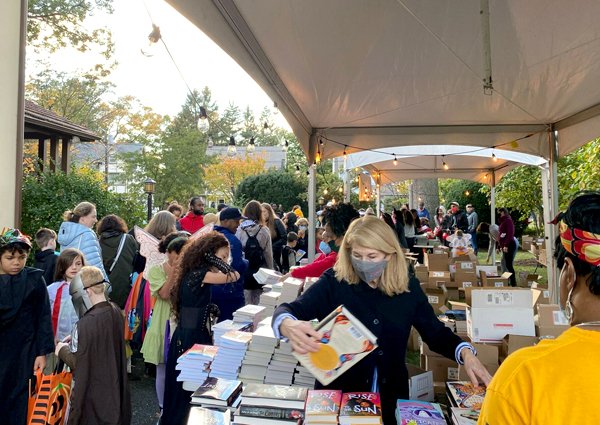
Judy Newman, President and Chief Executive Officer, Impact Reading. Chief Impact Officer Emeritus, Scholastic